Understanding Psychology Ensures Safer Enjoyable Casino Play
Ever noticed how walking into a casino feels a little like stepping into another world? There is a definite rhythm to it, pulsing with lights, sounds, and even scents designed to keep you engaged. But behind this excitement lies something more subtle and crucial: psychology. Understanding it might just be your best defense against impulsive play and your strongest ally in making the most of your gaming experience. I think many players overlook this, but being aware of how our minds react during gambling can make sessions not only safer but genuinely more enjoyable. And yes, this applies to virtual platforms just as much as physical ones, especially places like gatesofolympus.uk where the design and pacing of games can subtly influence behavior.
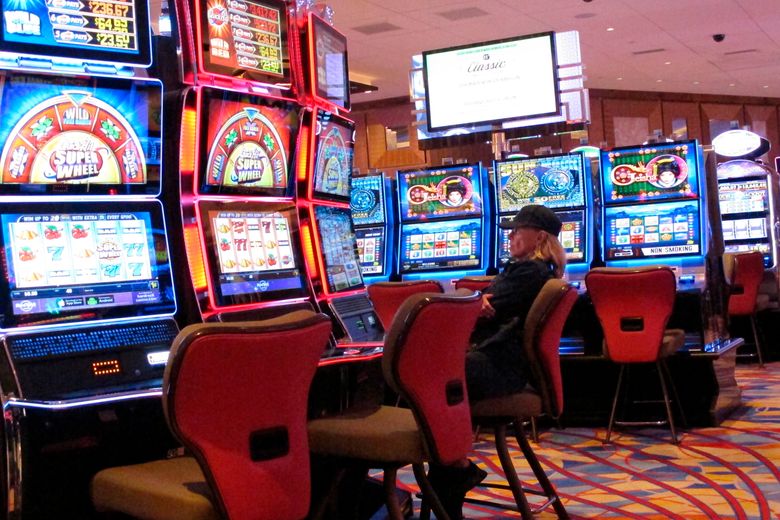
Casinos are built to create emotional highs. Slots spin quickly, winnings flash dramatically, and bonuses appear at just the right moment to keep you in the flow. It doesn’t mean they’re manipulative in a bad way, but it does mean players benefit from understanding the mechanics of attention, motivation, and reward. That inner knowledge is what separates thoughtful, steady gaming from reckless risk-taking.
Decision-Making and Self-Awareness
Our brains adore rewards. Dopamine surges when we win, even small amounts, making us eager for the next spin. Sometimes, I catch myself chasing that feeling without realizing it. Recognizing that moment, pausing, and observing my thoughts changes how I act. Perhaps psychology is our most practical tool in any casino setting, online or off.
We don’t always make balanced decisions when emotions are high. Here is where psychology helps again. It reminds us that loss aversion, the fear of losing more than the thrill of gaining, often leads to risky plays. By naming this bias, we weaken it.
| Psychological Factor | Typical Impact on Players |
|---|---|
| Reward anticipation | Keeps attention focused on play, encouraging longer sessions |
| Loss aversion | May cause chasing behavior to recover lost bets |
| Confirmation bias | Leads to justifying unsuccessful outcomes as mere “bad luck” |
Casino Environment and Mental Triggers

Casinos, whether physical or digital, are built with a design psychology that promotes immersion. Atmospheric music, subtle motion, and even colors play meaningful roles in influencing decisions. For example, red tones create energy while blue lights calm the mind. Online casinos replicate this through design animations and pacing interactions. Players who grasp how these triggers work can consciously decide when to lean in and when to step back.
Quick thought—ever noticed tooltips or gentle reminders like “Are you sure you want to continue?” popping up while playing? Those are integrated behavioral pauses, crafted to make you reconsider before pushing too far. It’s a digital form of psychological balance.
Practical Tools for Responsible Play
Responsible play begins with awareness and continues with structure. Maybe this sounds a little formal, but structure gives freedom. Establishing clear limits before you start ensures everything remains fun and relaxed, without anxiety afterward.
- Set a spending limit for each session, no exceptions.
- Establish time restrictions using built-in timers.
- Pause frequently to assess your mental state.
- Appreciate wins without stretching them into expectations.
An interesting observation I’ve made: players who track their habits often enjoy more consistent satisfaction. They play because they love the experience, not because they’re chasing outcomes.
| Tool | Purpose | Player Benefit |
|---|---|---|
| Deposit limit | Prevents overspending beyond set comfort | Encourages financial safety |
| Session reminder | Notifies players of elapsed time | Supports mindful awareness |
| Self-exclusion | Temporarily locks accounts for breaks | Helps avoid impulsive returns |
Final Thoughts
Understanding psychology isn’t about overanalyzing everything but about cultivating a quieter awareness while playing. Once you notice how games are designed to engage emotions, you gain the choice to respond rather than react. In a world of casino gaming that moves faster each year, it’s refreshing to know that the simplest insight—the ability to observe your mind—is still the most powerful strategy there is.
- Awareness enhances enjoyment.
- Knowledge safeguards your time and funds.
- Balance keeps play fun, never forced.
Truly, the smartest players aren’t just lucky—they’re simply more self-aware.